A woman ahead of her times, Emily Taylor gave the women of KU a sense of confidence and a drive to challenge stereotypes during a time when women were treated as inferior to men.
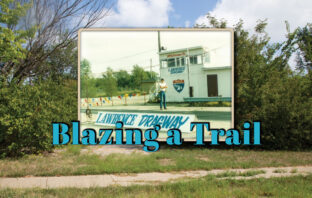
Drag Strip Road, now Wakarusa Drive, ran along a drag strip built in the late 1950s by a high school club hoping to use it as a training track.
The City of Lawrence and the University of Kansas are forever entwined because of the way the City and its early residents came together and created a state university in this town.
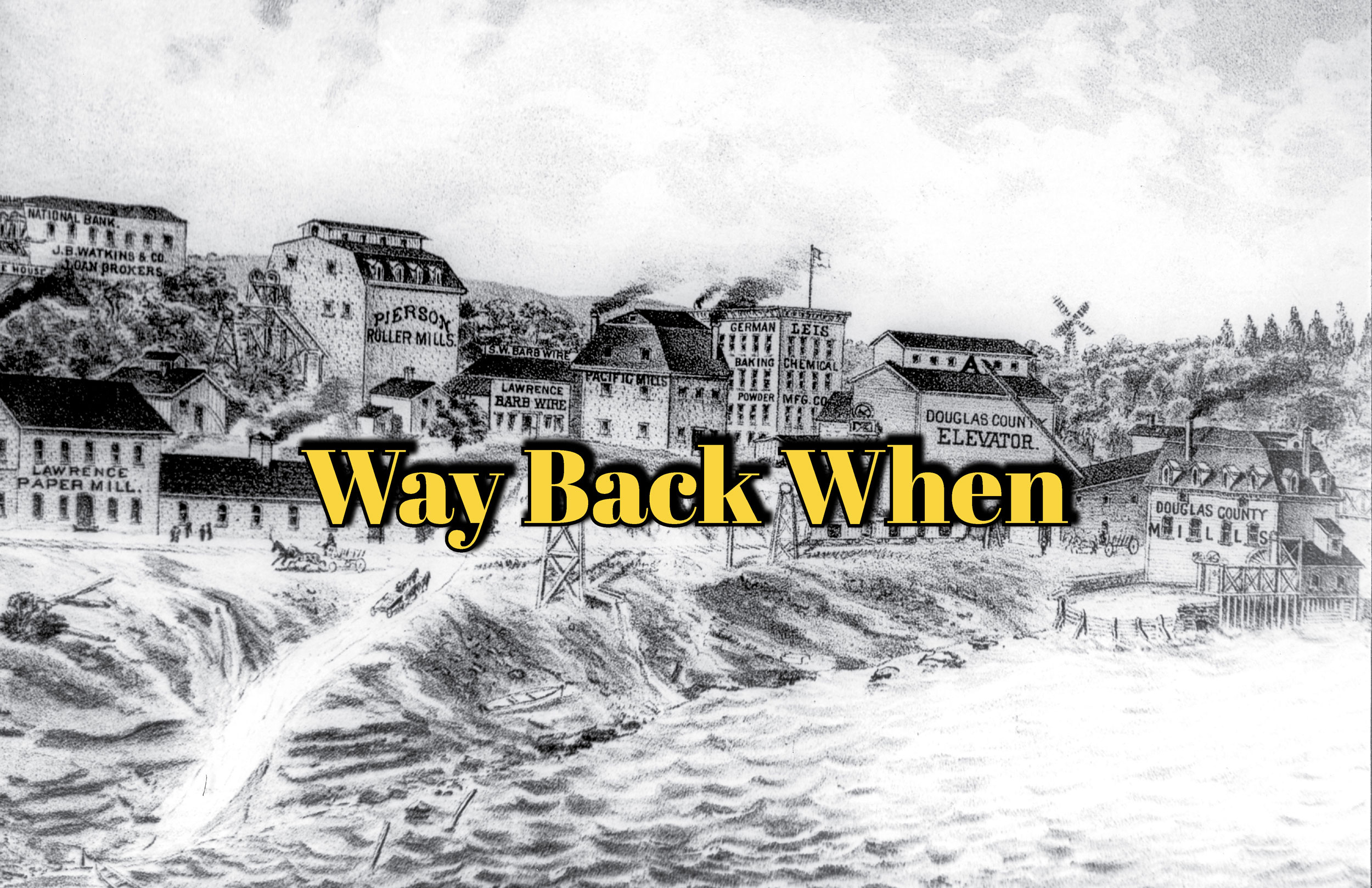
Power from the Kaw River and budding manufacturing companies in early Lawrence made a big impact on its economy.
The history of this nearby lake is unique and preserved because of newspapers created by a civilian corps of Black workers.
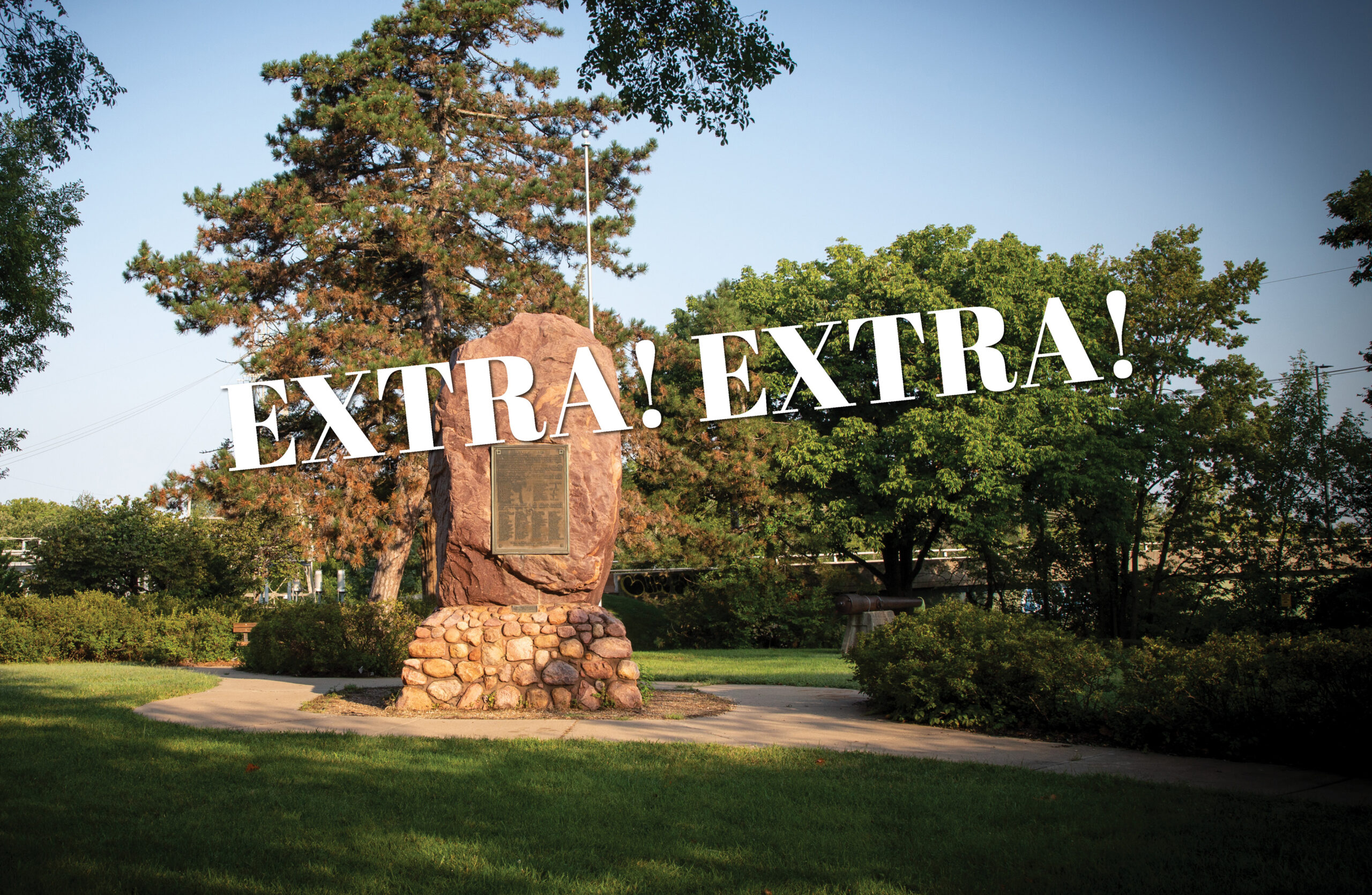
Discover some of the big events in Lawrence’s history that made the news in the last decade.
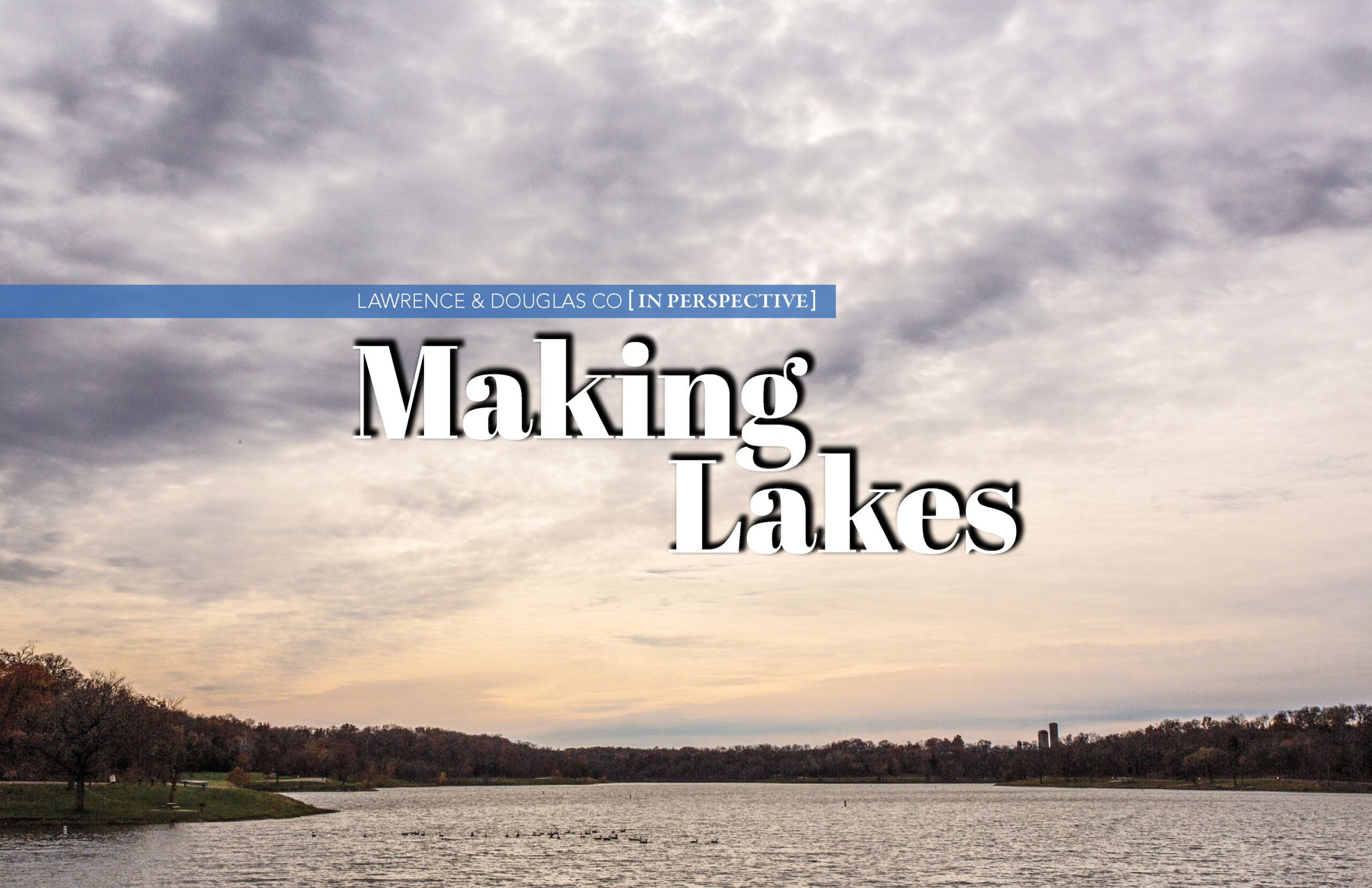
Though enjoyed by Douglas County residents now, the original Clinton Lake Dam project displaced the residents of many early towns that ultimately disappeared.
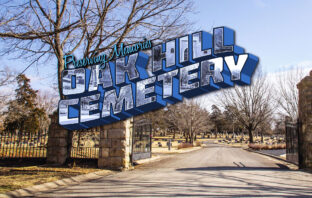
In his inaugural address in 1864, Mayor R. W. Luddington called for a new cemetery to serve as a site with “sepulchral fitness for sacred reminiscences where departed friends could be remembered.”
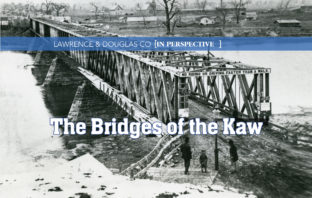
Through the years, many bridges were built and brought down in one way or another in Lawrence, but their importance to the city’s infrastructure and historical value remain.
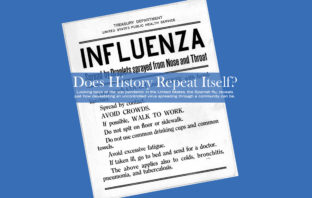
ooking back at the last pandemic in the United States, the Spanish flu, reveals just how devastating an uncontrolled virus spreading through a community can be.